

ISL builds custom software for logistics companies, freight operators and supply chain teams. Fleet management, shipment tracking, warehouse systems and route optimization, built around how your operations actually run.
The operational friction we hear about most and design away first.
No live view of fleet location, vehicle status or driver activity, so teams react to delays instead of preventing them.
Routes planned without real-time traffic, capacity, delivery windows or driver hours, wasting fuel and missing deadlines.
Warehouses on paper or spreadsheets, with no live inventory, no replenishment alerts and no traceability to dispatch.
Fleet, warehouse, service and finance in separate systems, linked by manual data entry that adds errors and slows work.
Senior teams, working software every week, and outcomes tied to your logistics KPIs.
Real-time GPS tracking, vehicle status, driver behavior analytics, predictive maintenance alerts and fuel reporting, giving operations full visibility in one view.
Routes calculated on delivery windows, capacity, driver hours, live traffic and fuel cost, then pushed to drivers automatically whenever conditions change.
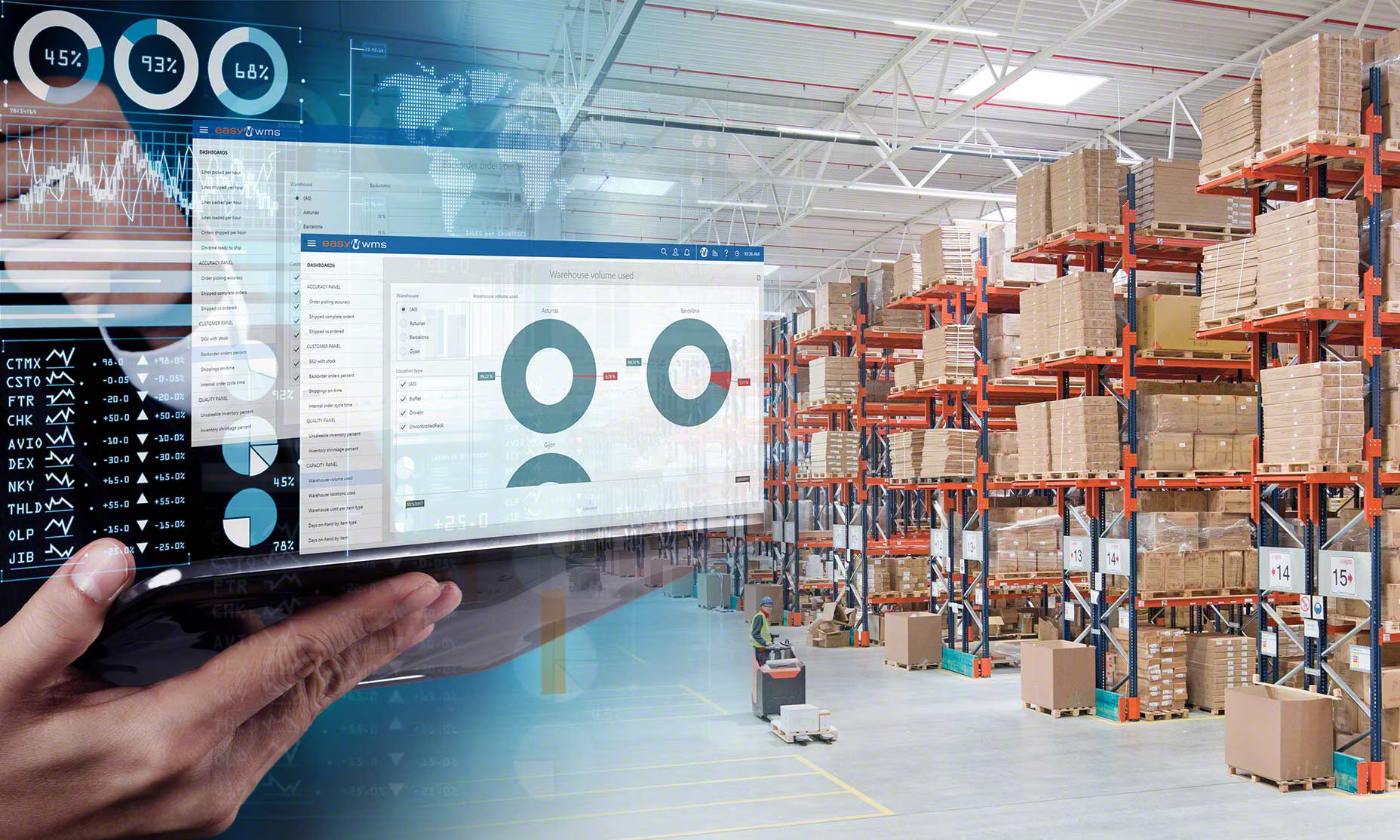
Inventory tracked from goods-in to dispatch, with automated replenishment, pick and pack workflows and live visibility into stock levels, location and movement.
Integration layers that link your fleet, warehouse, order and customer systems, so data flows automatically between operations, finance and customer service teams.
Real-time vehicle location, driver status, trip history, fuel monitoring and predictive maintenance in one platform that cuts downtime and running costs.
Automated routes that account for delivery windows, capacity, driver hours and live conditions, with turn-by-turn driver updates and accurate ETAs.
Goods receipt, putaway, pick and pack, dispatch and returns, with live inventory levels, low-stock alerts and full traceability for every item.
Tracking portals that give customers live shipment status, delivery estimates and proof of delivery, cutting inbound calls and building confidence.
Freight booking, load planning, carrier management, rate comparison and documentation in one platform, connected to carriers, customs and billing.
Telecom systems must handle millions of transactions, stay online around the clock and integrate with decades-old infrastructure. ISL builds software engineered for how telecom companies actually operate, not generic platforms adapted to fit.
Custom billing for complex tariffs, usage-based pricing, prepaid and postpaid accounts, automated invoicing and real-time revenue reporting, built for high transaction volumes.
Real-time visibility into network performance, fault detection, capacity planning and infrastructure monitoring, with dashboards built around how your NOC team works.
Web and mobile portals where customers manage accounts, view usage, pay bills, raise tickets and upgrade plans without calling, cutting support load and lifting satisfaction.
Scheduling, dispatch and tracking for field engineers. Real-time job assignment, route optimization, completion reporting and integration with your back-office systems.
CRM built around telecom customer journeys: acquisition, activation, retention and churn. Integrated with billing, support and product systems for a complete customer view.
Telecom runs on dozens of systems that rarely talk cleanly. ISL builds the integration layer that connects your BSS, OSS, CRM and third-party platforms into one environment.
Location-based and multi-language research for businesses targeting specific cities, regions or international markets.
We monitor rankings and search trends, then refresh your keyword plan every quarter so you stay ahead as demand shifts.
Tell us about your current systems and we will recommend the right build and integration approach.
A clear path from first call to live product, designed to keep momentum without cutting corners on reliability, integration or operational accuracy.
We map your fleet, routes, warehouse workflows, integrations and compliance needs. Every operational process moving into software is documented before decisions.
A precise roadmap with scope, milestones and one owner per workstream. IoT, carrier API and compliance needs are mapped to milestones, never left to the end.
Interfaces for dispatchers, drivers, warehouse staff and operations managers, with every screen reviewed against real operational workflows before development.
Weekly working builds with senior engineering reviews from day one. GPS integrations, routing logic, warehouse workflows and carrier APIs are built step by step.
We handle deployment, device integration, data migration and handoff, then monitor performance and support your team through the first full operational period.
After launch, ISL monitors performance, responds to incidents and supports ongoing feature development, so your platform keeps evolving with your telecom operations.


GPS, routing and carrier integrations are tested in every sprint.

Logistics runs on precision. A delayed shipment, a missed route update or an inventory discrepancy does not stay contained. It ripples across schedules, customer commitments and margins. Most logistics businesses still run parts of their operation on spreadsheets, disconnected tracking tools and manual reporting.
ISL builds software that replaces that friction with systems designed specifically for logistics: fleet management, warehouse visibility, route optimization, shipment tracking and supply chain integration. Every platform is scoped around your operation, your vehicle types, your routes and your compliance environment.
Four reasons logistics companies and freight operators choose ISL.
The engineers who review your operations build your platform.
Issues caught every sprint, before they reach live deliveries.
Built to connect GPS, telematics, ERP and carrier APIs early.
Driver hours, vehicle compliance and customs needs built in.
Technologies used across fleet, warehouse and tracking platforms.

Yes. Our fleet platforms connect to your existing GPS hardware, telematics devices and IoT sensors. We assess your current device setup during discovery and build the integration to fit it.
Yes. We build transport systems with carrier APIs, EDI connections and third-party logistics connectors, so rate comparison, booking, tracking and documents flow into one platform automatically.
Driver hour rules, vehicle inspection records and freight documents are built into the platform from the start, with automated alerts, audit logs and compliance reports as core features.
A focused module, such as fleet tracking or warehouse management, typically takes 12 to 16 weeks. Broader platforms covering fleet, dispatch and customer tracking take longer, confirmed in scoping.
Yes. Every engagement includes 30 days of post-launch support. For platforms with live GPS and active dispatch, this covers monitoring, integration checks and performance tuning in the first period.
Share your requirements and ISL will come back with a clear scope, a realistic timeline and an honest cost estimate. No obligation. Just a straight answer on what it takes to build what you need.
Share a few details and our team will get back to you with next steps.

Subscribe to our newsletter to get the latest updates, news, and special offers directly in your inbox.
Subscribe to our newsletter to get the latest updates, news, and special offers directly in your inbox.

We are dedicated to delivering innovative digital solutions that help businesses grow, build strong brands,
Copyright © 2026 Instant Solutions Lab. All Rights Reserved.
